
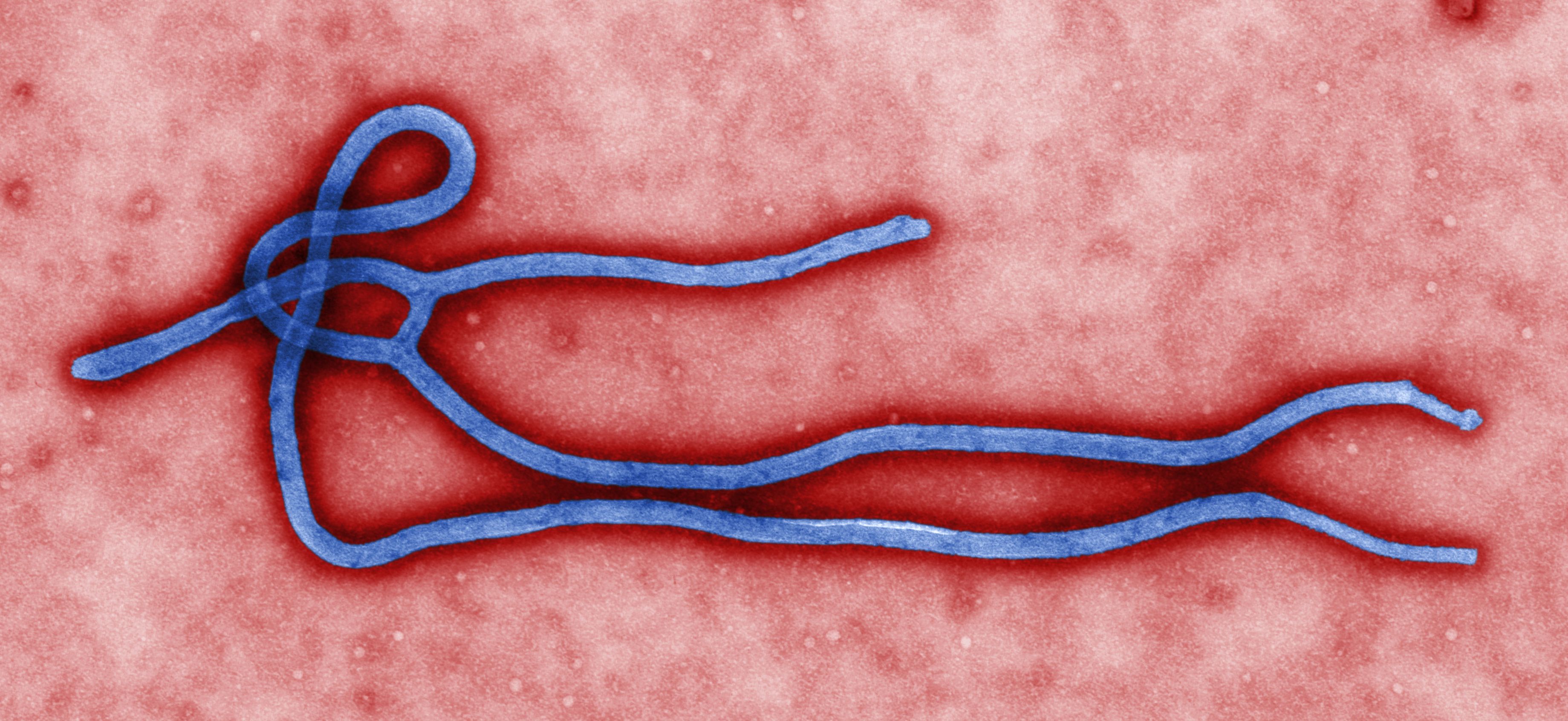

Photo: An Ebola virus virion seen under an electron microscope — Cynthia Goldsmith / CDC via Wikimedia Commons
Nigeria has recorded no new confirmed Ebola case 21 days after detecting an imported infection of the Bundibugyo strain, the Nigeria Centre for Disease Control and Prevention (NCDC) has said in its latest national health security update.
NCDC Director-General Dr Jide Idris said 62 contacts linked to the index case had been identified since Nigeria confirmed the infection on October 20, 2026. As of November 9, 34 of those contacts had completed the mandatory 21-day observation period, while 28 remained under follow-up.
- One confirmed case only: an imported Bundibugyo infection confirmed on October 20, 2026
- 62 contacts identified in total; 34 have completed 21-day monitoring, 28 still being followed
- The 21-day period matches Ebola's recognised incubation window used in contact tracing
How Nigeria's imported Ebola case unfolded
The index patient was a 42-year-old traveller who arrived in Abuja from Uganda via Addis Ababa on October 3 and fell ill days later. She visited two hospitals before the NCDC was notified on October 19, and the National Reference Laboratory confirmed Bundibugyo virus disease on October 20.
The patient, who improved clinically in isolation, was medically evacuated to Switzerland on October 26 at her country's request. Contacts identified through the hospitals she visited were placed under monitoring, including twice-daily temperature checks, with laboratory testing if symptoms developed.
Health officials stress that being listed as a contact does not mean a person has the virus. Suspected cases investigated since — including two in Adamawa State — have tested negative after laboratory checks.
Why 21 days matters in the Ebola response
The 21-day mark is the standard surveillance milestone for Ebola because it covers the disease's incubation period. Passing it with no new confirmed case is an encouraging sign that the imported infection did not seed wider transmission.
It is not, however, a declaration that Nigeria is Ebola-free. The World Health Organization has previously cautioned that a country can only be declared free of the disease after a 42-day period once the last confirmed case has tested negative twice — a point WHO Nigeria restated in late October when it debunked social-media claims that Nigeria had already been declared Ebola-free.
What happens next
The NCDC says surveillance, contact tracing, laboratory testing and infection-prevention work will continue with the Federal Ministry of Health and Social Welfare, the Federal Capital Territory Administration, state governments and partners until the remaining 28 contacts complete their monitoring without symptoms. Hospitals have also been directed to isolate suspected cases promptly rather than wait for laboratory confirmation.
Credit: NCDC update of November 10, 2026, as reported by Vanguard, Independent and QNC News.
Follow @newstweetnaija on Instagram for the day's biggest stories.


