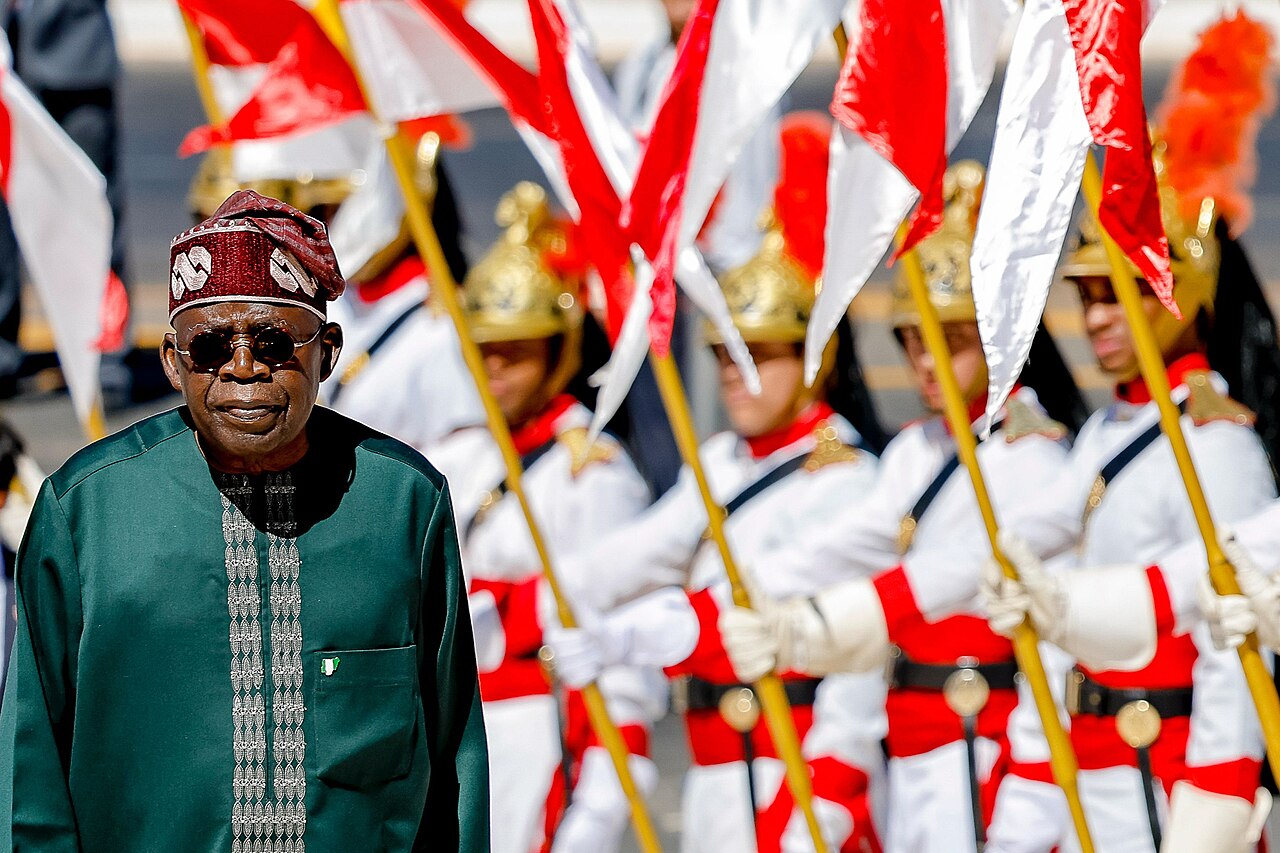
Photo: Former President Olusegun Obasanjo — US Department of Defense via Wikimedia Commons
Former President Olusegun Obasanjo has said Nigeria's persistent electricity crisis will not be solved until the private sector takes greater control of the power sector, drawing a direct comparison with the transformation of the telecommunications industry.
Obasanjo spoke on Tuesday at the Youth Governance Dialogue, themed "African Youth and Renaissance," held at the Youth Development Centre of the Olusegun Obasanjo Presidential Library in Abeokuta, Ogun State.
- Obasanjo says government has tried on power but has not achieved the desired results
- He argues telecoms only worked after the sector was put in private hands
- He urges young Nigerians to turn ideas into practical solutions for the country
What Obasanjo said about private sector control of power
"Government has tried, just like government tried with telecommunications, until we put it in the hands of the private sector, we didn't solve it," Obasanjo said. "And I believe that until we put energy in the hands of the private sector, we won't solve it."
His position, as reported from the dialogue, is for a more private-sector-driven approach across electricity generation, transmission and distribution, rather than government carrying the sector alone.
The remarks land in a week when power supply has again deteriorated sharply. The Sun reported on Sunday that national generation fell to about 2,945 megawatts, with 12 power plants recording zero output amid gas-supply disputes — the latest reminder of a crisis that has survived successive reform programmes, including the privatisation of generation and distribution companies in 2013, while transmission remained in government hands.
Obasanjo urges youths to build solutions
Beyond power, the former president described electricity as a critical driver of economic growth and national development, and expressed concern at Nigeria's slow progress in fixing supply.
He challenged young Nigerians at the dialogue to move beyond developing ideas and translate them into practical, technology-driven solutions capable of addressing the country's challenges. He also urged youths interested in governance and public policy to acquire the knowledge and competence needed to engage public institutions effectively, and called for stronger youth engagement in governance through evidence-based advocacy.
What happens next
Obasanjo offered no timeline or policy blueprint, and the Federal Government has not responded to the remarks. His intervention adds a prominent voice to the long-running debate over how far private control should extend in a sector where generation and distribution are already largely private, but supply remains far below demand.
Credit: Chronicle NG and US Africa Online reports of November 10, 2026, of the Youth Governance Dialogue in Abeokuta.
Follow @newstweetnaija on Instagram for the day's biggest stories.