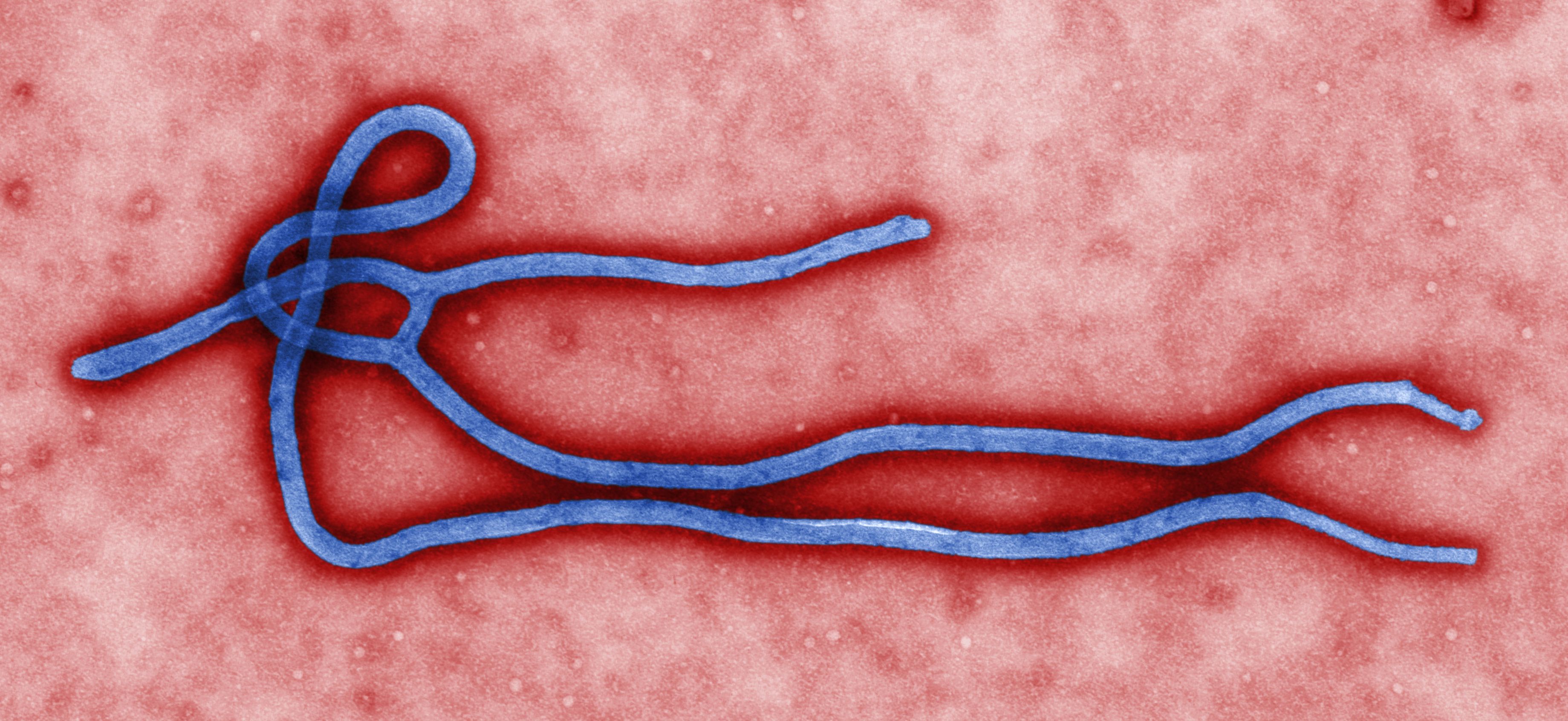
Photo: An Ebola virus particle under the microscope — CDC / Cynthia Goldsmith via Wikimedia Commons
Nigeria has completed the monitoring of all 62 contacts linked to its imported case of Bundibugyo virus disease — a strain of Ebola — with zero secondary transmission recorded.
The Director-General of the Nigeria Centre for Disease Control and Prevention (NCDC), Dr Jide Idris, announced the milestone at a briefing in Abuja on Friday, saying the last contact completed the 21-day observation period and was discharged on November 13.
- All 62 contacts completed 21 days of monitoring without falling ill
- 13 contacts reported fever or other symptoms during monitoring — all tested negative
- The World Health Organisation has congratulated Nigeria on the response
How Nigeria contained the imported Ebola case
The imported case was confirmed on October 20 in Abuja: a 42-year-old woman who had travelled from Uganda and arrived in the capital on October 3 through Addis Ababa, Ethiopia.
The patient was medically evacuated to Switzerland on October 26, has since recovered, tested negative and been discharged from hospital care.
During the monitoring period, 13 of the 62 contacts developed fever or other non-specific symptoms, but laboratory tests confirmed none had contracted the virus. Seven additional alerts reported across Adamawa, Rivers, Borno, Lagos and Ekiti states were also investigated and all tested negative.
WHO Director-General Tedros Ghebreyesus described the outcome as "a positive milestone in Nigeria's Ebola response" and congratulated the government, health workers and emergency responders.
Why the outbreak is not yet declared over
Idris cautioned that completing contact monitoring does not mean the outbreak is formally over.
Under WHO protocols, a country must complete 42 consecutive days — two full incubation cycles — from the recovery or departure of its last confirmed patient before an end of outbreak can be declared, and only the WHO can make that declaration.
Nigeria will maintain heightened surveillance in the meantime, particularly because Ebola transmission is ongoing in the Democratic Republic of Congo. There are no approved treatments or vaccines for the Bundibugyo strain.
What happens next
The 42-day countdown continues, with the NCDC maintaining its highest response posture until the WHO process concludes.
For the public, the message from health authorities is vigilance without panic: no new infections have been recorded, and every alert so far has tested negative.
Credit: BusinessDay and NCDC briefing reports, November 13-14, 2026.
Follow @newstweetnaija on Instagram for the day's biggest stories.